



For many waste collection organisations, changing how daily operations are managed feels like a major step. Planning, execution and coordination are often deeply embedded in processes that have evolved over many years.
The assumption is that digitalisation will have a significant impact, take time, disrupt operations and require extensive training.
In practice, the reality is very different.
Starting Without Disruption
As waste collection expert Koen Dijkhuis explains, many organisations work with a system that has developed over time. It consists of agreements, routines and ways of working, partly documented and partly based on experience.
“Most of the time, they did not have a proper system in place before.”
When a digital approach is introduced, the first priority is not transformation, but continuity.
Routes are digitised. Drivers start working with the system. And daily operations continue.
This allows organisations to improve how they work without interrupting what they do.
Fast Adoption in the Field
One of the biggest concerns is whether drivers will adopt new technology.
In practice, adoption happens quickly.
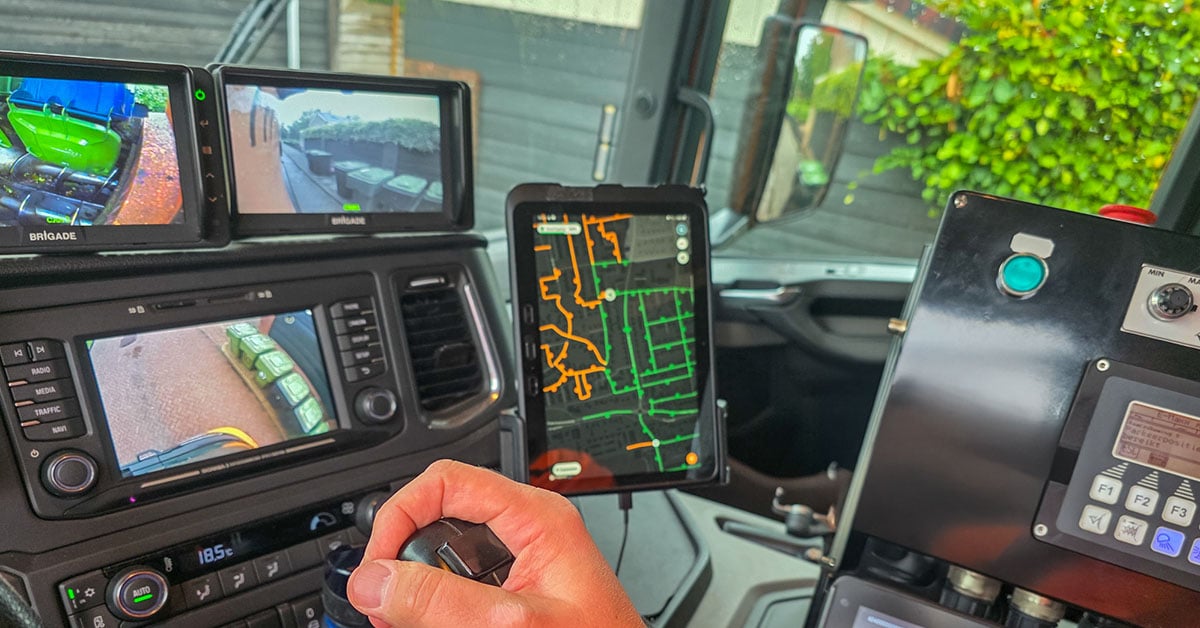
“Drivers can work with our software in a very short time.”
Because the system is designed for execution, drivers can start using it almost immediately. With minimal guidance, they are able to carry out their routes, understand tasks and complete their work as usual.
In many cases, organisations move from initial setup to full operational use within just a few months.
Learning While Working
Successful adoption does not come from long training programmes or external teams. It comes from the people who work in the operation every day. Their knowledge and experience ensure that the system is applied in a way that fits the reality of the organisation.
The approach follows a simple principle:
“We show how it works, then we do it together, and in the end they do it themselves.”
This Plan–Do–Check–Act approach allows teams to learn step by step. They start using the system, refine how they work and gradually take full ownership.
Because learning happens in real situations, adoption becomes natural and aligns with existing ways of working.
From Execution to Insight
Once operations are running digitally, something important changes.
Execution becomes visible.
Planners and managers gain insight into how routes are performed, where delays occur and how work can be improved. Instead of reacting to daily issues, they can start making informed decisions.
“The operation can continue, and then they get the possibility to work on a more strategic level.”
This shift creates space for optimisation, planning improvements and better alignment with operational goals.
A Practical Path to Digitalisation
Digitalising waste collection does not require a complete overhaul of operations.
It starts with making execution visible and accessible. From there, organisations can improve step by step.
With the right approach, teams can adopt new tools quickly, continue their daily work and gradually move towards more structured and predictable operations.
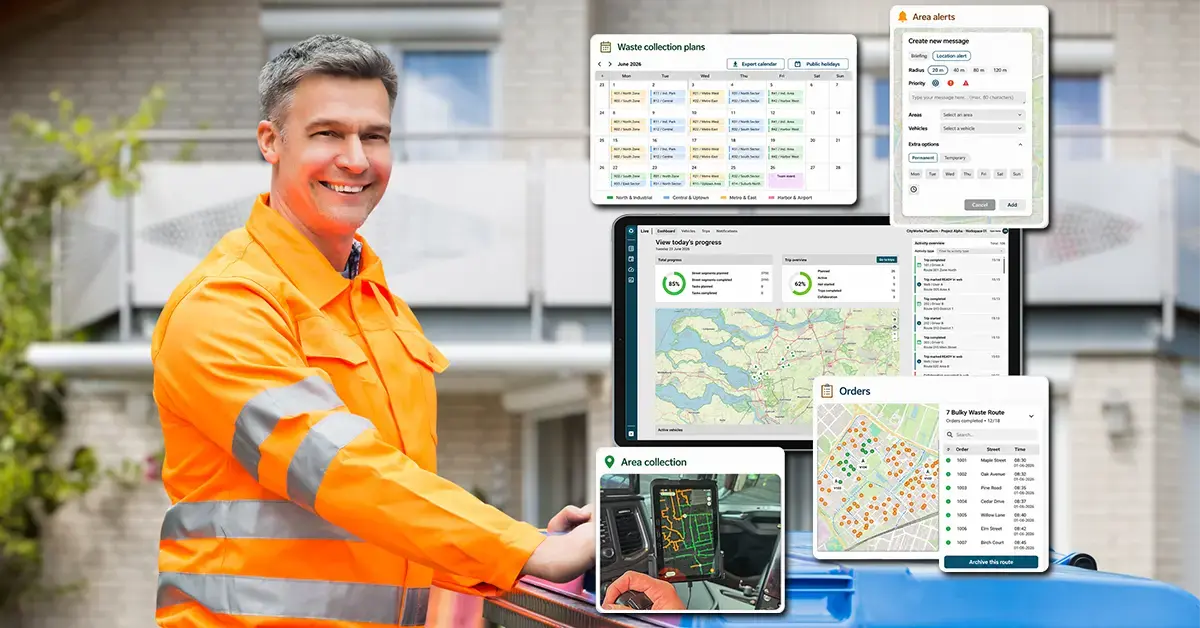
Discover how our waste management software helps organisations digitise waste collection without disruption and enables faster adoption across teams. You can also download the waste collection product sheet to explore how digital tools support smoother implementation and long-term improvement.

How To Make Waste Collection Smarter and More Predictable Over Time
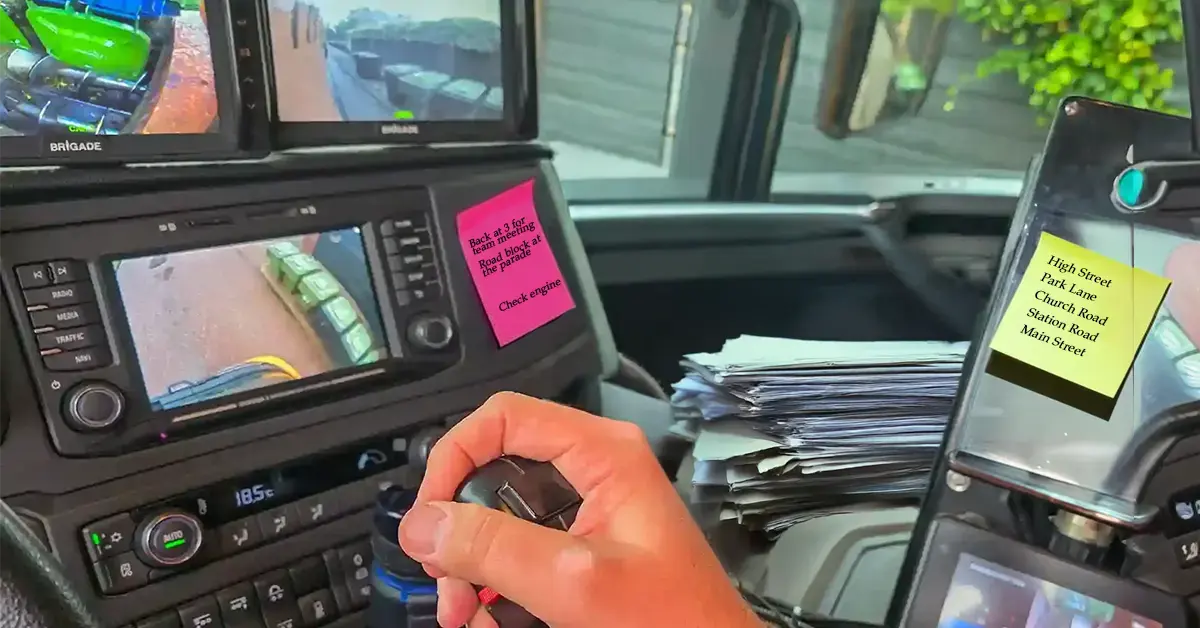
Why Manual Tools Fail Under Pressure in Waste Collection

No Comments Yet
Let us know what you think