



Waste collection is often seen as a routine operation. Routes are planned, crews are assigned and work is executed daily.
But in practice, operations are constantly influenced by the dynamics of the day. Traffic changes, roads are blocked and unexpected situations arise in the field. Older static systems struggle to keep up and often fail to provide teams with the right information at the right moment.
The challenge is not just responding to these changes, but supporting teams in adapting to them more effectively every day.
From Static Routes to Smarter Execution
Traditional waste collection planning relies on static routes. These routes are designed in advance and executed repeatedly.
But reality changes every day.
Without a way to capture what happens during execution, operations keep repeating the same assumptions. The same issues return, the same adjustments are made and improvements remain stuck within the daily operation.
As waste collection expert Koen Dijkhuis explains, the key is not just visibility, but shared understanding.
“You see all the progress of the day… and everyone has the same knowledge of how the day is working.”
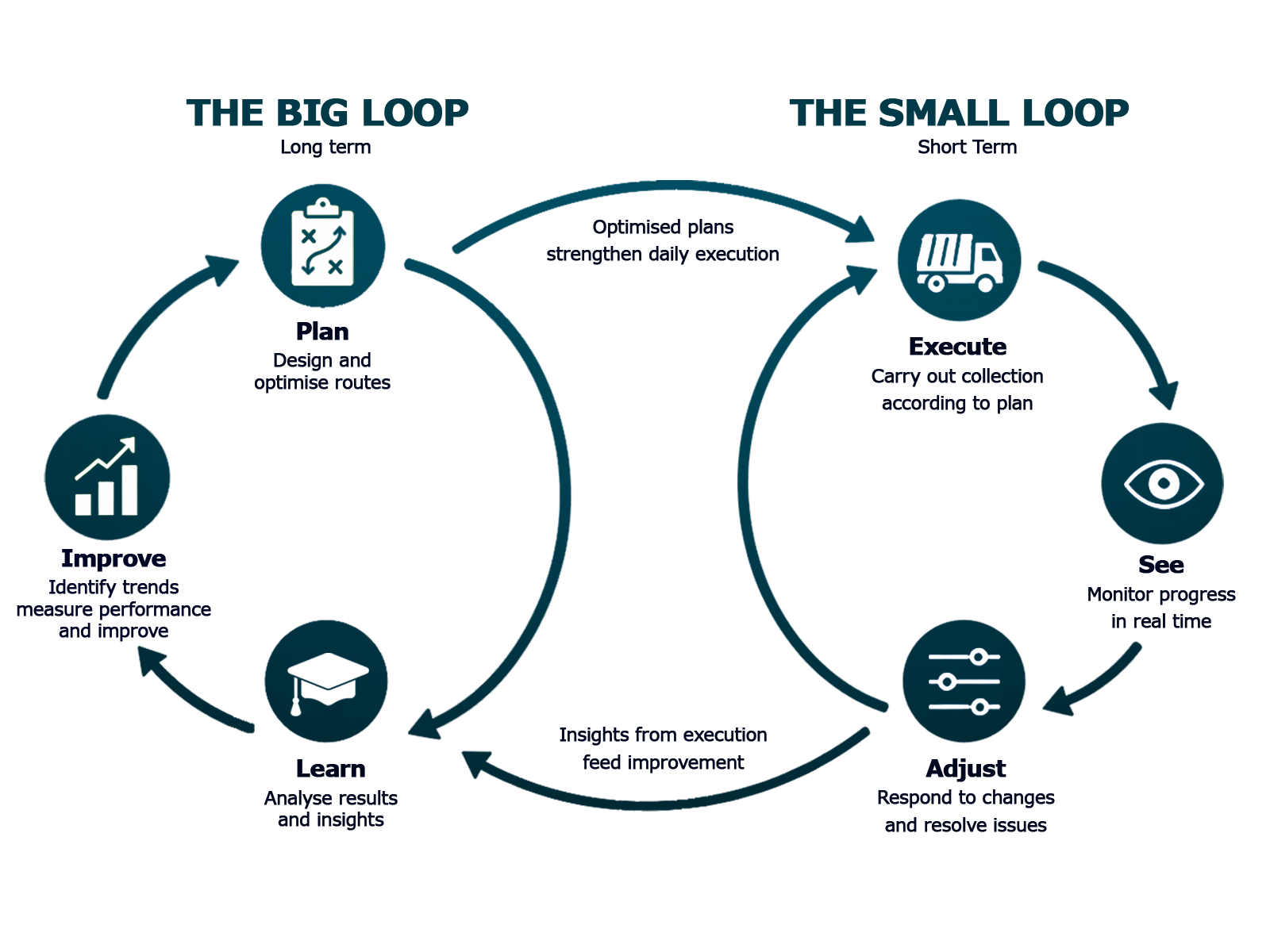
When teams share real-time insight into execution, they can respond better during the day itself. But more importantly, the experiences from daily execution can be used to improve future collection plans. In this way, daily operations continuously improve planning, while improved planning strengthens the next execution cycle.
The Power of a Self-Learning System
Smarter waste collection is not about adding more control. It is about creating a system that learns from execution.
During the day, drivers encounter exceptions. Streets may be blocked, access points may change or routes may require adjustments.
In many organisations, this knowledge stays with the driver.
With a digital system, these operational details can be captured and shared across the organisation.
As waste collection expert Koen Dijkhuis explains:
“It’s really easy to give those exceptions a place… so the next time people are informed.”
This turns daily experience into shared operational knowledge and helps teams execute routes more consistently over time.
Improving Without Adding Workload
A common concern with new systems is that they add complexity.
In practice, the opposite happens.
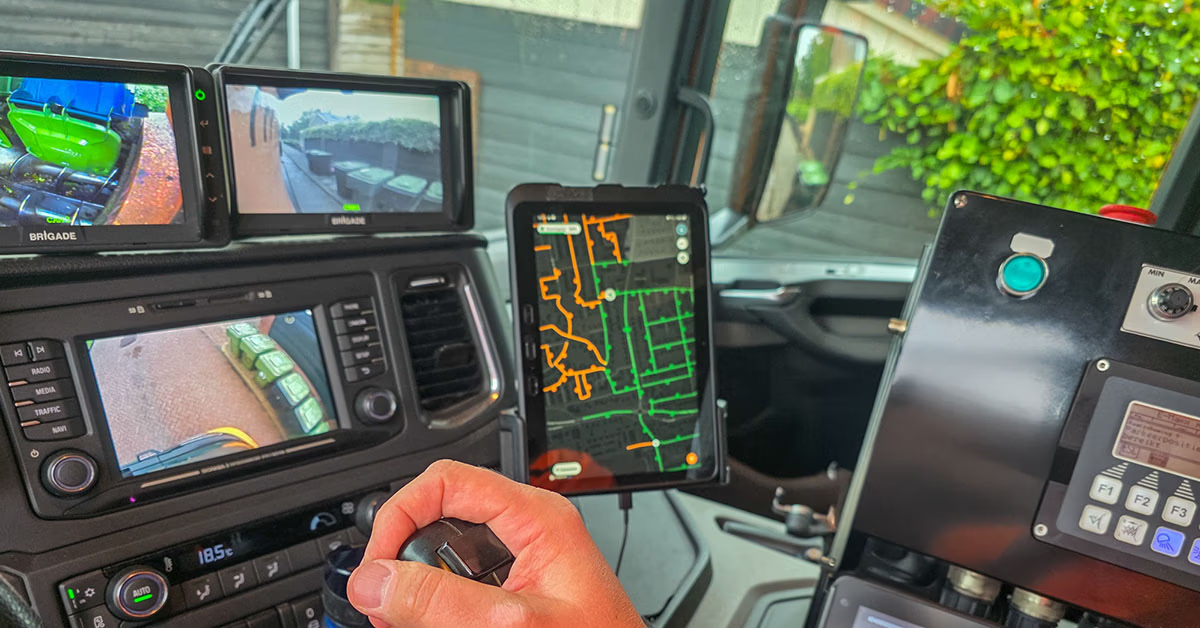
When information is available at the right moment and in the right place, execution becomes easier for drivers. They know what to expect, can anticipate situations and spend less time figuring things out.
At the same time, planners gain better insight into route execution and can make adjustments quickly and naturally, without turning every change into a time-consuming project.
The result is not more work, but smoother and better-supported operations.
From Reactive Execution to Predictable Operations
Waste collection will always involve variability. But unpredictability does not have to dominate the operation.
When organisations capture operational knowledge and make it available across the team, execution becomes more consistent. Routes become easier to follow. Adjustments become more informed.
Over time, the operation becomes more predictable, as continuous feedback helps teams plan, execute, evaluate and improve.
Discover how our waste management software helps organisations turn daily execution into a self-learning system and improve predictability without increasing workload. You can also download the waste collection product sheet to explore how digital tools support smarter, more reliable waste collection.

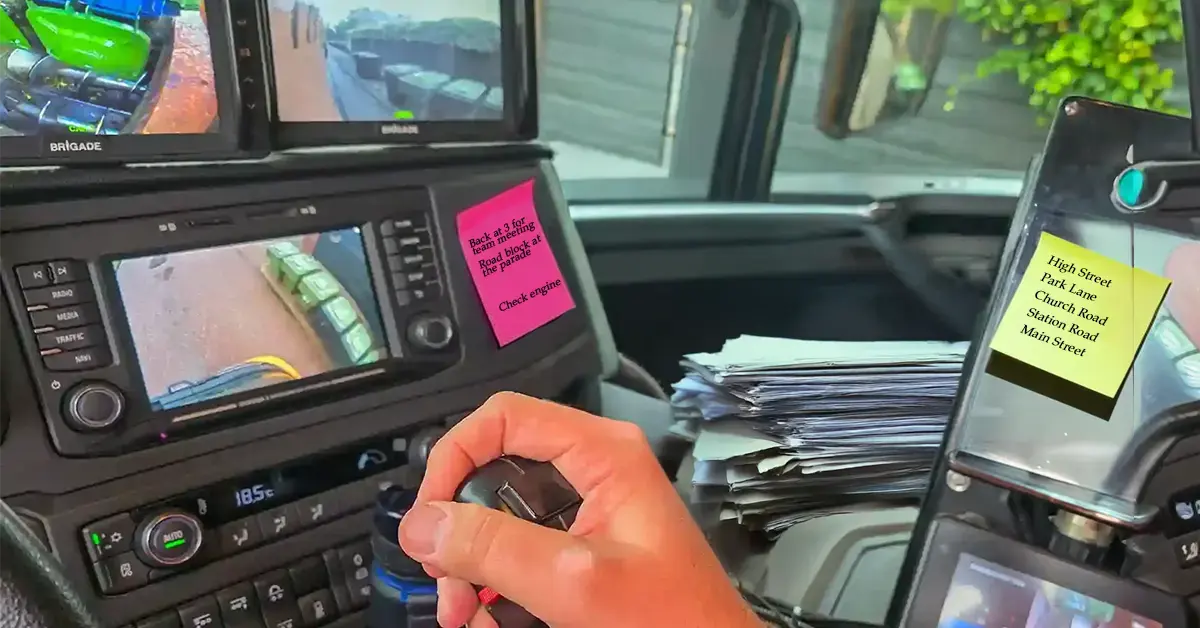
Why Manual Tools Fail Under Pressure in Waste Collection
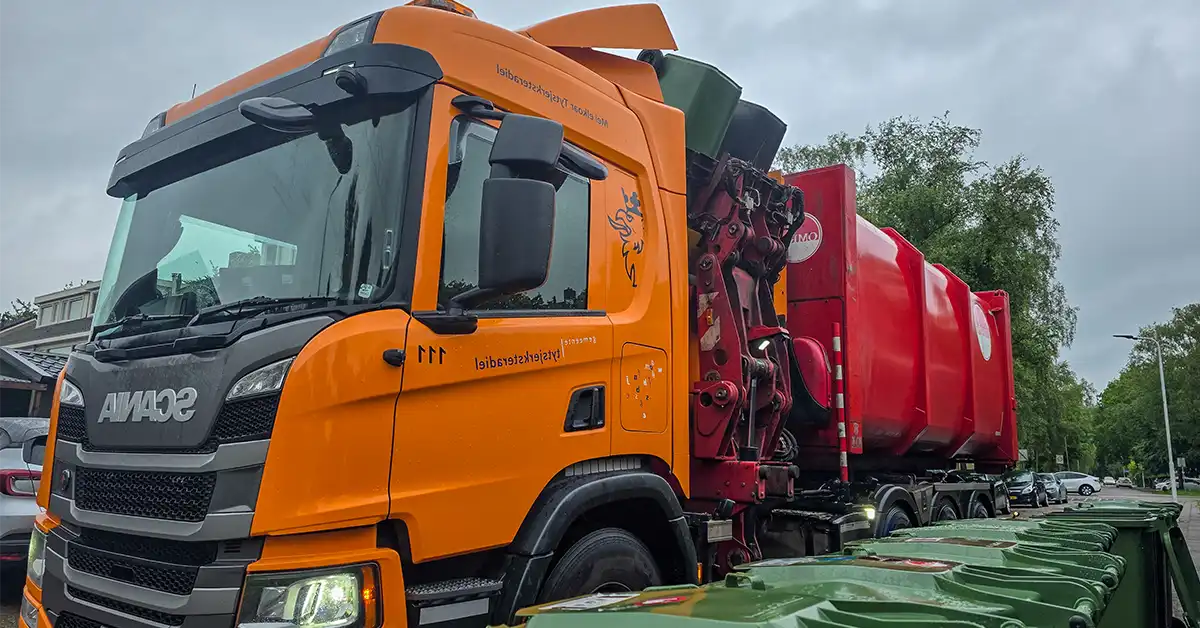
How Quickly Can Waste Collection Operations Be Digitised?

No Comments Yet
Let us know what you think