



Waste collection is a coordinated team effort. Every day planners prepare routes, assign crews and expect the operation to run smoothly. But once vehicles leave the depot, the situation in the field can change quickly.
Traffic delays occur. A route takes longer than expected. A crew may fall behind schedule. When teams do not share the same operational information, responding to these situations becomes difficult. Drivers continue their own routes while planners try to understand what is happening from a distance.
According to waste collection expert Koen Dijkhuis, the key difference in modern operations is that everyone works from the same information.
“What you get is that everyone shares the same truth. They know what the progress is and they know how to act on that.”
When planners and drivers see the same real-time progress data, cooperation between teams becomes far easier.
One Version of the Truth
In many waste collection operations, planners rely on phone calls or assumptions to understand how routes are progressing. Drivers may know their own situation, but they rarely see the wider picture of the operation.
This creates fragmented decision-making. A crew may be falling behind while another vehicle has already finished its route. Without shared insight, those situations are often discovered too late.
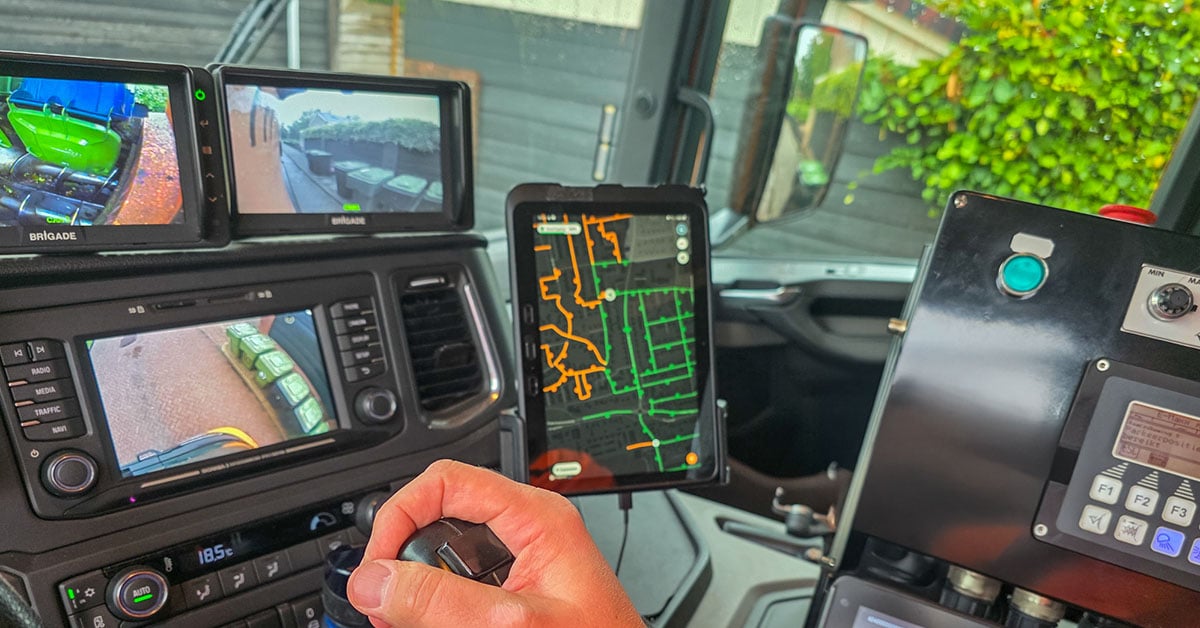
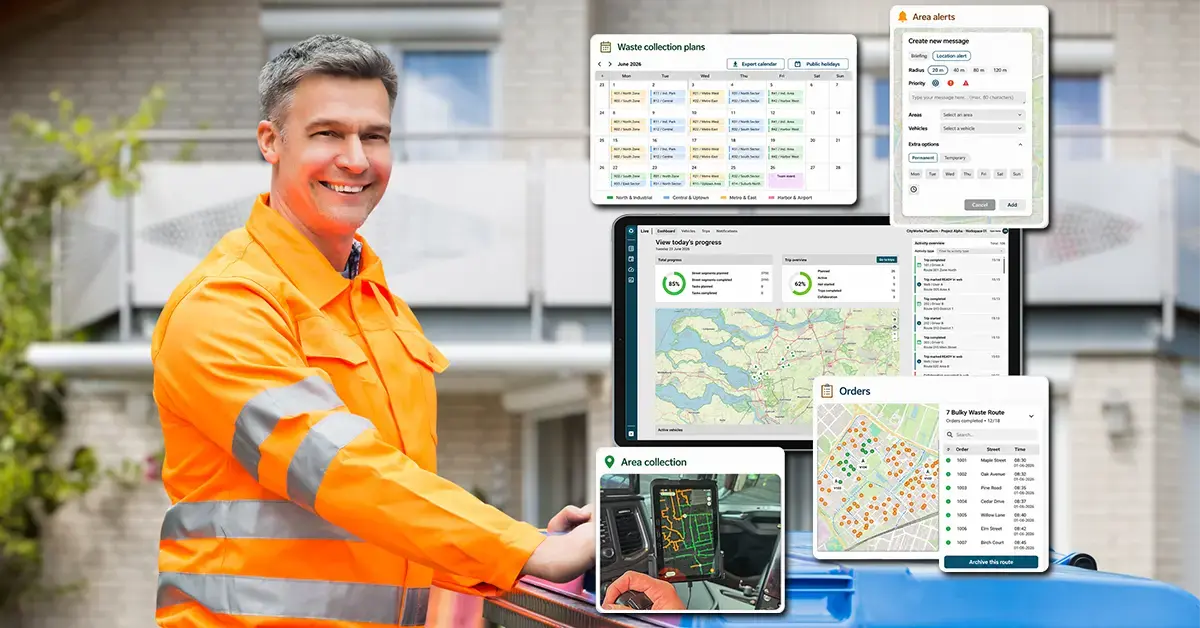
Real-time operational information changes this dynamic. When everyone works from the same system, planners and drivers see the same progress information. Teams know which routes are completed, which ones are delayed and where additional capacity may be needed.
Instead of guessing, teams act on the same facts.
Helping Crews When Routes Fall Behind
One of the biggest advantages of shared operational information is that teams can support each other more effectively during the day.
When a route begins to fall behind, planners can immediately see where capacity is available. Another vehicle can join the route and help complete the remaining work. Because everyone works from the same operational insight, collaboration becomes natural and easy in practice.
As waste collection expert Koen Dijkhuis explains:
“You can invite another vehicle into the same route and together they can finish the route.”
This allows operations to respond dynamically without disrupting the wider planning. It also reflects an important shift in how modern waste collection teams operate: not as isolated drivers working individually, but as connected teams that continuously support each other throughout the day.
Handling Exceptions Without Miscommunication
Daily operations always include unexpected situations. Residents report issues, containers are blocked or additional work appears during the route.
When information is shared in real time, these ad-hoc requests can be communicated immediately. Drivers see new tasks directly, planners can monitor progress and everyone stays aligned on what needs to happen next.
This reduces miscommunication and prevents the constant back-and-forth phone calls that often slow down operations.
From Fragmented Communication to True Cooperation
Waste collection operations depend on coordination between planners and field crews. When everyone works from the same real-time information, cooperation improves naturally.
Teams can support each other, respond faster to delays and resolve issues without disrupting the overall operation.
Discover how our waste management software helps waste collection teams share real-time insight and collaborate more effectively. You can also download the waste collection product sheet to learn how digital tools support smoother and more resilient waste collection operations.


How Resident Complaints Disrupt Waste Collection Teams (And How to Fix It)
How To Make Waste Collection Smarter and More Predictable Over Time

No Comments Yet
Let us know what you think