



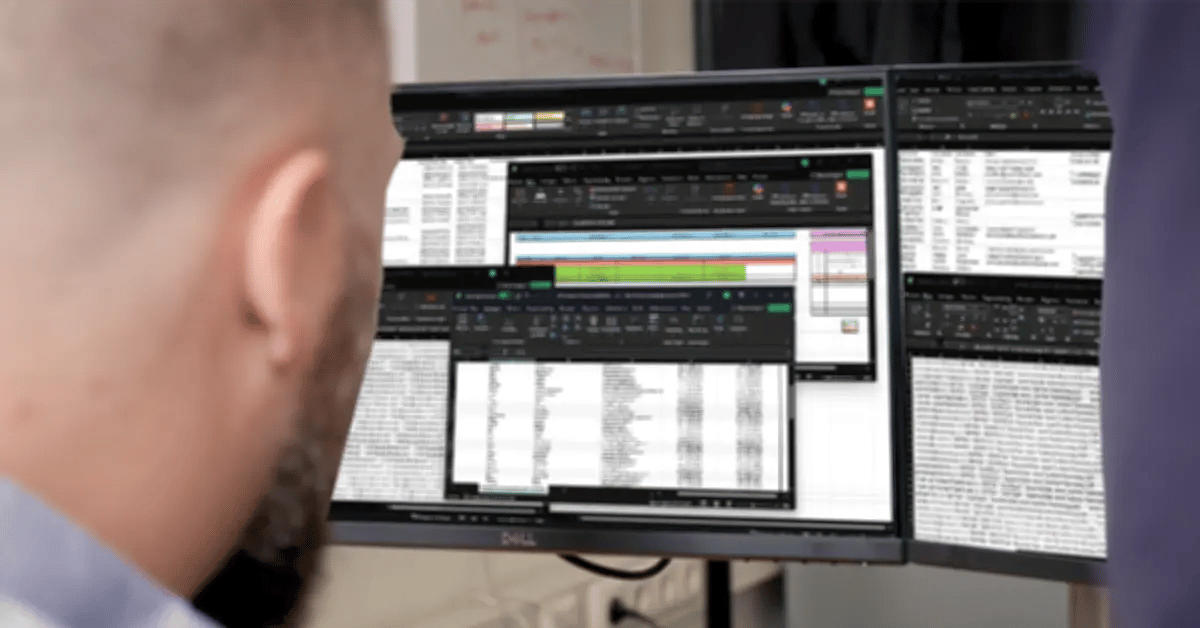
Spreadsheet planning still plays a central role in many waste collection operations. For planners, it is often the system they have to work with. There is no real alternative that provides priority or a clear operational picture.
Routes are documented, changes can be tracked and the planning appears to be under control. But that sense of control can be misleading.
As waste collection expert Koen Dijkhuis explains, many organisations hesitate to move away from spreadsheet planning because change feels complicated.
“They have a sense that everything is under control. Another assumption is that making changes is a lot of hassle.”
Introducing new tools requires time, knowledge and adjustments to existing workflows, so many teams postpone change and continue working with familiar spreadsheets. Over time, however, the limitations of spreadsheet planning become increasingly visible.
The Hidden Risk of Spreadsheet Planning
Waste collection planning is rarely static. Routes evolve, service areas change and improvements are continuously required. Yet in practice, many organisations hesitate to make changes.
The challenge is not the change itself, but the lack of overview. When planning is managed through spreadsheets, it is difficult to see the full operation or understand the impact of adjustments.
As a result, a status quo emerges. What works today is maintained, simply because the consequences of change are unclear. Adjusting routes or redesigning collection plans becomes a risk, not because it is complex, but because its effect cannot be predicted.
This limits improvement. Even when optimisation opportunities are known, they are often left untouched because planners lack the confidence to act.
When Knowledge Lives in One Person’s Spreadsheet
Another challenge is knowledge concentration. In many waste collection organisations, route planning is handled by one or two highly experienced planners who know the operation inside out. Over time, much of the operational knowledge becomes embedded in their spreadsheets.
While this experience is valuable, it also creates dependency. When planning knowledge is concentrated in a few individuals, it becomes harder to share responsibilities or introduce new team members into the process.
As Koen highlights:
“Often the work is done by one or two people with a lot of experience.”
This makes organisations vulnerable when those individuals are unavailable and limits the organisation’s ability to adapt quickly.
Why Digital Planning Makes Change Easier
Digital waste collection planning systems change this dynamic. Instead of relying on static spreadsheets, planners work within a structured environment where routes, service areas and operational data are connected. Changes can be tested quickly and scenarios can be explored before they are implemented.
Because planning knowledge is embedded in the system itself, responsibilities can be shared more easily across the organisation. This lowers the perceived impact of change and allows teams to improve planning continuously. As Koen explains, once planning becomes digitised, organisations quickly realise that many changes are far easier to implement than they previously assumed.
Moving From Assumed Control to Real Insight
Spreadsheets may create a sense of control, but modern waste collection operations require more than static planning tools. Digital planning environments provide visibility, flexibility and shared knowledge across the organisation.
Rather than replacing planning entirely, they enable organisations to continuously improve and adapt their collection plans. Routes can be optimised and adjusted based on real-time insight, allowing teams to respond to changing conditions without losing control of the operation.
Discover how our waste collection solution helps organisations modernise planning and gain better control over daily operations or download the product sheet.

How Digital Working Improves Grounds Maintenance Operations
Why Is It So Hard to Replace an Experienced Field Worker?

No Comments Yet
Let us know what you think